
By Nelson Santana and Emmanuel Espinal
November 15, 2025
Read in Spanish: Henry Hierro, arquitecto del merengue neoyorquino
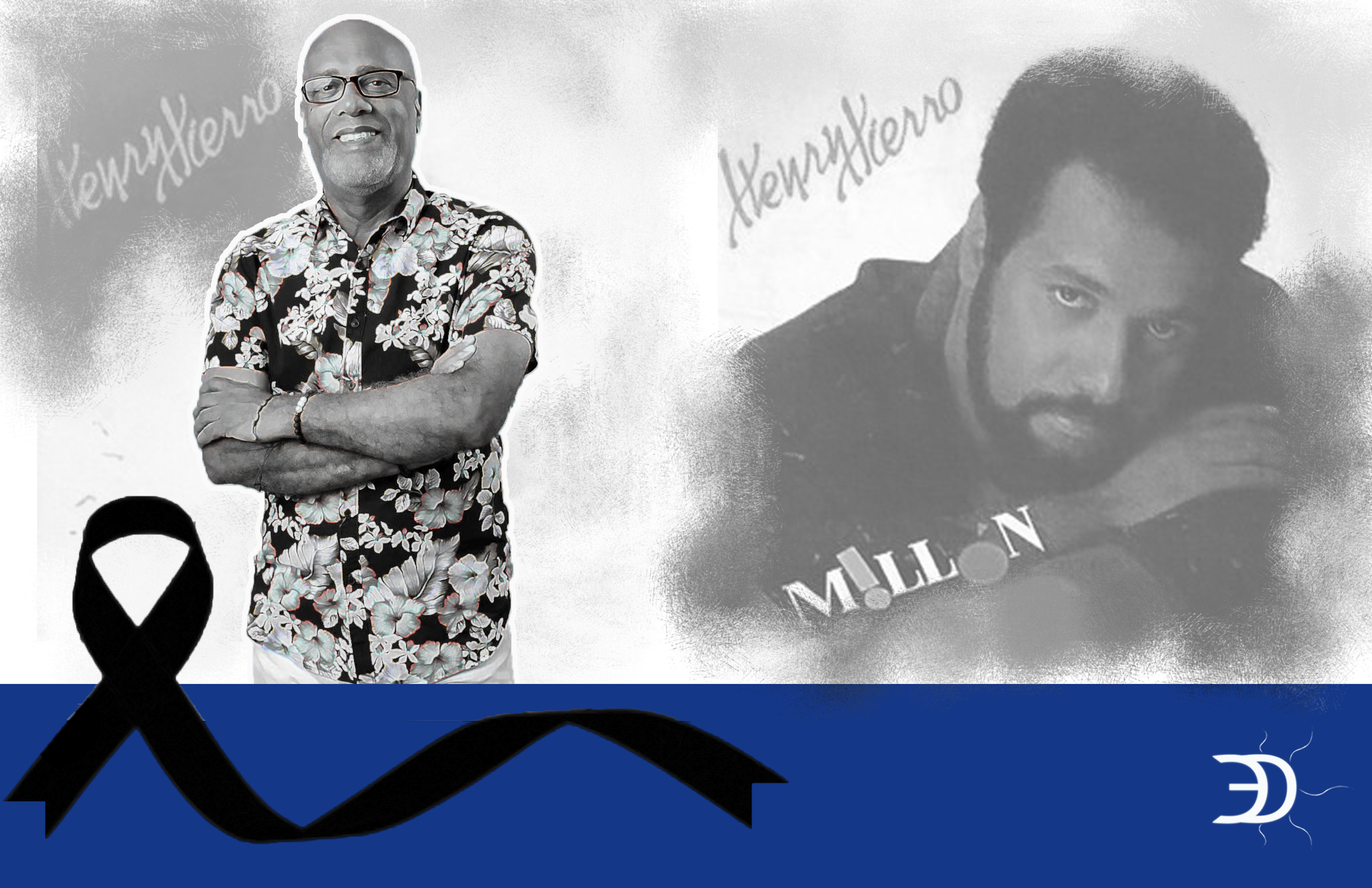
Henry Rafael Hierro Fernández—musician, arranger, producer, pianist, and bandleader—passed away on Monday, November 3, 2025, at 7:35 a.m. in San Francisco de Macorís after a battle with cancer. He was 70. His family confirmed the news in a statement that filled social media with embraces and gratitude for a maestro whose name became synonymous with excellence and with a New York–stamped merengue.
A Sound Called New York
If merengue has a corner with its own name in the city’s history, that corner reads “La Gran Manzana” (The Big Apple. Together with Víctor Roque, Henry Hierro founded an orchestra in 1982 that redrew the map: fiery horns, razor-edged piano, a walking bass line, shoulder-slung percussion, and a repertoire that became anthems in clubs, bodegas, and block parties. The era gave us “Tus besos,” “Rosa blanca,” “Mentirosa,” “Cuando llegará,” “La carta final,” “La maquinita,” “El amor,” “Mole Mole,” “Por tu querer,” “Comparona,” and “Vamos a beber.”
It was not magic; it was work. In interviews marking the band’s 40th anniversary, they recalled that early stretch with no Internet or cell phones, when musicians hauled crates of LPs across the city so merengue would play anywhere it could. The first album arrived in 1983, Henry, Víctor y La Gran Manzana; the second, in 1984, propelled hits like “Mentirosa,” “Mole Mole,” and “Rosa Blanca”; and 1985 brought El poder de New York, featuring “No me sigas más,” “I Just Called,” and “Por tu querer.” It was the merengue of Latino neighborhoods showcased on Times Square’s stage.
Their project was also a fusion classroom: La Gran Manzana blended cumbia elements and Haitian rhythms into Dominican cadence without losing its essence, enriching the dance floor of the era and expanding the genre’s profile on New York stages.
A Brief Biography of a Builder
Born in San Francisco de Macorís, Henry Hierro was a Renaissance musician: a pianist with steady hands, a bassist when the arrangement called for it, a singer when the moment demanded it, and a producer with a surgeon’s ear. His prestige first grew onstage—as the musical soul of La Gran Manzana—and then in the studio, where he commanded the score and the record button with equal elegance. His career became one of the pillars of modern merengue through the 1980s and ’90s, especially within New York’s Dominican community. Oro Solido’s El poder de New York album title is clearly a homage to La Gran Manzana’s album from a decade earlier.
The Craftsman Behind Many Hits
Beyond leading La Gran Manzana and his own Grupo Hierro, Henry left his stamp as arranger and producer for top-tier artists and orchestras: Rubby Pérez, Los Toros Band, Héctor Acosta “El Torito,” Los Hermanos Rosario, Jaqueline Estévez, Raffy Matías, Benny Sadel, and more. His signature—clear melodies, hook-rich choruses, brass with character—helped dozens of songs travel far and endure. Those who worked with him praise not only his virtuosity but also his humility and his calling as a mentor to new generations.
Legacy and Collective Memory
The band he co-founded with Roque became a continental reference point; its 40th anniversary was celebrated with a tour that began in New York, recalling how merengue—declared UNESCO Intangible Cultural Heritage in 2016—spread through the city among Dominicans and then reached wider audiences. What Hierro helped build was more than a catalog of hits: it was a cultural bridge that still rings at parties, on the radio, and across playlists for multiple generations.
Farewell to the Maestro
Services began at Funeraria Fuente de Luz in San Francisco de Macorís. The funeral Mass was held at the Sagrada Familia Church (Villa Olímpica), followed by burial at the Cementerio Las Mercedes (Cementerio Viejo). Applause, merengues, and tears accompanied the goodbye.
ESENDOM Coda
In every piano intro, in every mambo that tightens the chest, in every chorus that takes us back to the corner club—there is Henry Hierro. No silence can erase his beat. We bid farewell to the musician and embrace the legacy: the New York merengue he helped invent is alive, spinning on turntables, platforms, and in our hearts. Que la tierra le sea leve, maestro. Su música —y la gratitud de un pueblo— no se apagan.
⸻⸻
Related:
Víctor Víctor deja atrás un legado musical de compromiso social
Así reaccionaron a la muerte de El Ciego de Nagua
Se apaga la luz de Yoskar Sarante, el Prabú de la bachata
Fallece Rasputín July Mateo: recordamos este ícono del merengue