
By ESENDOM
July 22, 2025
Key Points:
Two Dominican nationals face serious criminal charges in the U.S., intensifying anti-immigrant discourse.
Miguel Francisco Mora Núñez, 21, faces charges for shooting a federal officer who was off-duty in New York.
Santo Beato Aybar-Aybar, 49, was sentenced for illegally re-entering U.S. territory after being deported three times.
Both episodes are being exploited by figures like President Donald Trump to fuel anti-migrant rhetoric.
Two Dominicans have once again placed the country under U.S. media scrutiny, at a time when the political climate is becoming increasingly hostile toward the migrant population. Miguel Francisco Mora Núñez and Santo Beato Aybar-Aybar, both with criminal records on United States soil, have become ammunition for those arguing that current immigration policies have been a complete failure.
Mora Núñez, who entered the country without authorization in 2023, already had a criminal record that included episodes of domestic violence, theft, and an unexecuted deportation order. Despite these antecedents, he remained free until becoming involved in an armed confrontation with a Border Patrol agent in a Manhattan park. The officer, though injured, managed to return fire and wound Mora, who currently remains in custody.
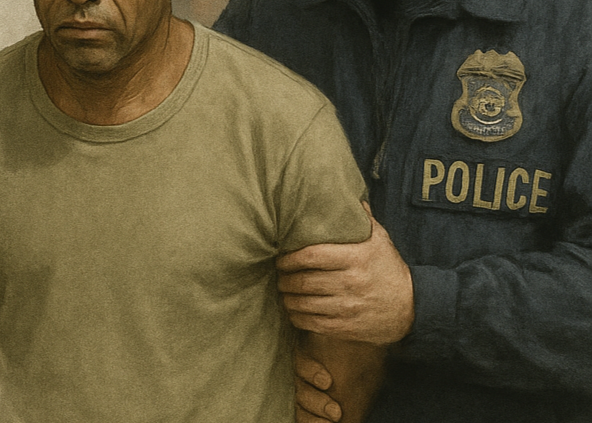
Meanwhile, Santo Beato Aybar-Aybar, 49, was sentenced in Boston for having returned clandestinely after three previous deportations. The Dominican, captured in Lawrence, Massachusetts, faces up to two decades in prison followed by another deportation.
What Risks Does the Dominican Community Face?
While these incidents constitute unique cases within the community of more than two million Dominicans established in the U.S., media outlets and political figures like President Donald Trump present them as evidence of a "criminal invasion." Trump, through his Truth Social platform, described Mora as an "illegal monster" and declared that "Democrats have flooded the country with criminals."
However, the fundamental question persists: What is the responsibility of the institutional apparatus that allows the free circulation of individuals with criminal backgrounds? And how can the Dominican community prevent a few isolated cases from tarnishing the sacrifice, contribution, and honor of the vast majority?
Crucial Questions:
What were the reasons why Mora Núñez evaded deportation after repeated arrests?
Do these episodes evidence the deficiencies of the U.S. immigration system rather than the characteristics of the immigrant?
What is the level of responsibility of the Dominican State in supporting its nationals abroad?
How do these narratives harm Dominicans who respect the laws and contribute positively to the United States society?
The Dominican community cannot afford to remain silent. These cases should serve not to stigmatize, but to demand justice, institutional coherence, and immigration policies that distinguish between crime and dignity.