
By ESENDOM
February 26, 2026
Lea en español: Detienen a mujer por interpretar el Himno Nacional en dembow y el caso reabre un debate que ya venía encendido
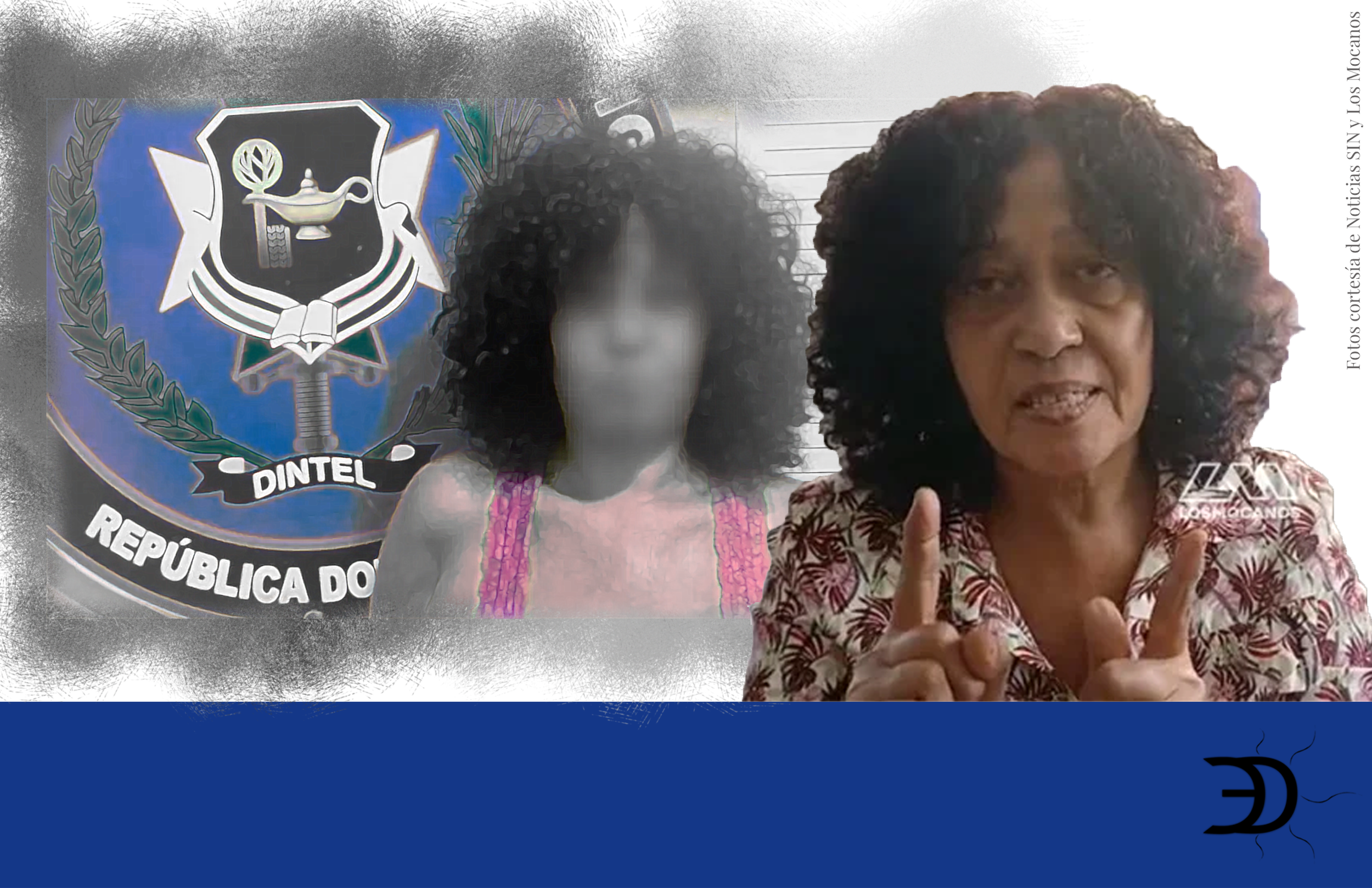
The Public Prosecutor’s Office reported the detention of a woman after she performed the Dominican National Anthem in a dembow rhythm during a public event.
No formal charges or coercive measures have been specified; the case remains under review.
The incident once again brings Law 210-19 on national symbols—and the legal limits of artistic reinterpretation—into the spotlight.
In the Dominican context, this debate is not new: it adds to recent controversies over altering, using, and monetizing the anthem.
The detention of a woman due to performing the Dominican National Anthem in dembow music during a public activity has reignited a sensitive discussion in the Dominican Republic: where creative freedom ends and where the legal protection of national symbols begins.
According to preliminary information from the Public Prosecutor’s Office in the province where the incident took place, the performance prompted mixed reactions among attendees, leading authorities to intervene. So far, officials have not provided details about formal charges or specific measures while the circumstances of the case are evaluated.
That point is crucial. At this stage, there is a reported detention and an ongoing investigation, but a more complete official account is still missing—one that clarifies what exactly happened on stage: what the performance involved, whether the lyrics were altered beyond the rhythmic change, and whether the presentation could be deemed “irreverent” under current regulations.
A Debate that Did Not Start Today
This incident did not arise in a vacuum. It follows several episodes that had already put the National Anthem at the center of public debate. First came the controversy over an alleged attempt to monetize the National Anthem on digital platforms, which revived discussion about its status as a national symbol and public domain. Then came the legal case against Alicia Anabel Santos Díaz, prosecuted for alleged “insult” to the anthem after a cultural event in which the lyrics were altered—a case that showed this issue does not stay on social media; it can reach the criminal justice system.
What makes the current case different is the specific musical element: dembow. That makes it even more explosive in the Dominican Republic, where dembow is one of the most vibrant cultural languages of the present, but also one of the most criticized by conservative sectors when it enters solemn or institutional spaces.
Law, Symbols, and a Cultural Clash
The underlying dispute is both legal and cultural. Law 210-19 protects Dominican national symbols and establishes limits on the use of the National Anthem, which means an artistic reinterpretation is not evaluated solely as creative expression, but also under a public-order rule tied to civic and ceremonial standards.
For part of the public, adapting the anthem to dembow is disrespectful. For others, it raises a legitimate question about how a young, deeply musical society relates to its symbols in the 21st century. That tension has been growing, including in more intellectual debates about the anthem and national identity—such as renewed discussions around the word “quisqueyanos” and the historical meaning of Dominican identity.
What comes next
Right now, the most important thing is not to deliver a verdict on social media, but to wait for the full official report, which will determine whether the case moves forward as a criminal file, ends in a formal warning, or results in no legal violation being found.
What is clear is this: in the Dominican Republic, touching the National Anthem—literally or symbolically—remains a high-voltage line. And each new case confirms that the debate is not only about music. It’s about country, law, identity, and cultural power.